How do i cut a few pages from a PDF for free?

Looking to cut a few pages from a PDF file? This article compares four popular tools – Sejda PDF, GIMP, Smallpdf, and PDFsam – to help you choose the best one for your needs. Learn about the features, ease of use, and cost of each tool to make an informed decision.
Table of Contents
- Introduction
- #1: Cut out pages from PDF with Sejda PDF
- #2: Cut out pages from PDF with GIMP
- #3: Cut out pages from PDF with Smallpdf
- #4: Cut out pages from PDF with PDFsam
- Conclusion
Introduction
PDF files have become a standard for sharing and distributing documents online. However, sometimes you may need to cut a few pages from a PDF file, and there are several tools available to help you do this. In this article, we will compare four different tools – Sejda PDF, GIMP, Smallpdf, and PDFsam – to help you choose the best one for your needs.
Comparative Table:
| Tool | Platform | Cost | Maximum file size | Ease of use | Editing Features |
|---|---|---|---|---|---|
| Sejda PDF | Web-based | Free/Paid | 50 MB (free tier) | Easy | Extensive |
| GIMP | Desktop | Free | N/A | Intermediate | Basic |
| Smallpdf | Web-based | Free/Paid | 100 MB | Easy | Limited |
| PDFsam Basic | Desktop | Free | N/A | Intermediate | Page operations only |
When it comes to cutting a few pages from a PDF file, you have several options to choose from. Sejda PDF, GIMP, Smallpdf, and PDFsam are some of the most popular tools available for this purpose. Each tool has its own strengths and weaknesses, and the choice you make will depend on your individual needs.
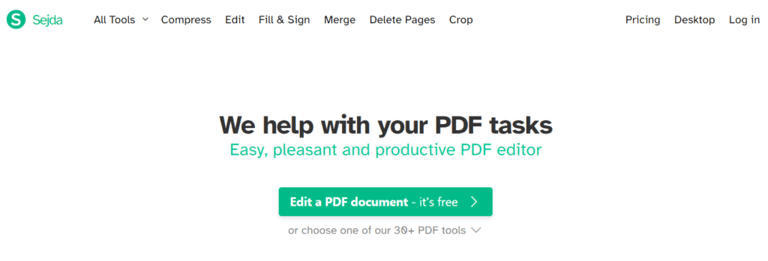
- Sejda PDF is a web-based tool that offers both free and paid plans. It is easy to use, and the free tier takes files of up to 50 MB or 200 pages, with three tasks per hour. Sejda PDF also offers extensive editing features, including the ability to add, delete, and reorder pages, as well as merge, split, and compress PDF files.
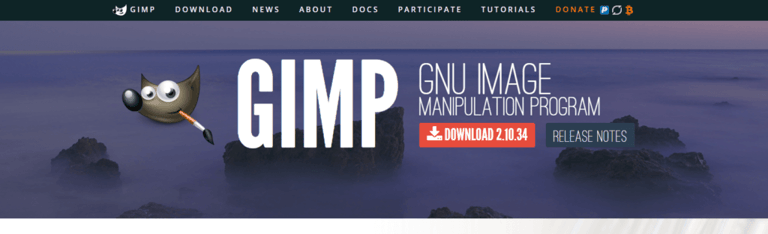
- GIMP, on the other hand, is a desktop tool that is completely free to use. While it was not designed for PDF work, it can open the pages of a PDF and turn them into images, which is not the same as removing pages from a PDF. GIMP has a bit of a learning curve and may not be the best choice for those who are new to graphic design or image editing software.
- Smallpdf is a web-based tool that offers both free and paid plans. It is very easy to use and can handle files of up to 100 MB. However, its editing features are limited compared to other tools, and it may not be the best choice if you need to make extensive changes to your PDF file.
- PDFsam Basic is a desktop tool that is completely free to use, and open source. Its six modules (Merge, Split, Mix, Rotate, Extract and Insert) all work on page ranges you type in, so the way to drop a few pages is to extract the ones you want to keep. It has no visual page management and no text editing: those belong to the paid PDFsam Visual and Enhanced editions. PDFsam Basic may be a good choice if you prefer a desktop tool and know which page numbers you need.
#1: Cut out pages from PDF with Sejda PDF
Sejda PDF is a powerful and user-friendly online tool for managing and editing PDF documents. One common task that users might want to perform with Sejda PDF is cutting a few pages from a PDF document.
We will provide a step-by-step guide to help you achieve this task with Sejda PDF:
Step 1: Open Sejda PDF
The first step is to open Sejda’s Delete PDF Pages tool. On Sejda, removing pages is a tool of its own rather than part of the PDF editor.
Once the tool has loaded, click on the “Upload PDF file” button to select the PDF file that you want to cut pages from. You can also drag and drop the PDF file directly onto the page.
Step 2: Select pages to cut
After uploading your PDF file, Sejda PDF shows every page of the document as a thumbnail. There is no page mode to switch on first: the thumbnails are the working view.
Hover over a page you want to remove and click the “Delete” control that appears on it. Repeat that for every unwanted page. If the pages are easier to describe as numbers, type them into the page range field instead, for example 2,5-7.
Step 3: Apply the changes
Once every unwanted page is marked, click on the “Apply changes” button. Sejda PDF then builds a new version of the document without those pages.
Step 4: Save the modified PDF
Finally, click on the “Download” button on the results screen to save the modified PDF file. The file on your computer is left untouched, so what you download is a new PDF.
Congratulations! You have successfully cut a few pages from a PDF document using Sejda PDF 🙂
Tips and tricks:
1. Nothing is changed until you click “Apply changes”. If you mark the wrong page, restore it in the thumbnail view before you apply, or reload the tool and start over.
2. Sejda PDF also offers a wide range of other editing tools, such as merging, splitting, rotating, and compressing PDF documents. Be sure to explore these options if you need to perform other PDF editing tasks.
3. If you use Sejda PDF frequently, you might want to consider creating an account to access additional features and faster processing times.
Sejda PDF is a reliable and easy-to-use tool for cutting pages from PDF documents. By following the simple steps outlined in this paragraph, you can quickly and efficiently remove unwanted pages from your PDF files. Whether you are a student, professional, or casual user, Sejda PDF is a great resource for managing your PDF documents.
#2: Cut out pages from PDF with GIMP
GIMP is a free and open-source image editor. It opens the pages of a PDF directly, but it turns them into images, so it is worth being clear about what it can and cannot do here before you start.
Step-by-Step Guide on How to Open and Trim PDF Pages in GIMP:
Before we begin, one thing to be clear about: GIMP does open PDF files directly. Choose “File” > “Open”, pick the PDF, and a PDF import dialog lets you choose which pages to load. What GIMP does not do is keep them as PDF pages. It rasterizes them, so text and links become pixels and what you export is an image file such as PNG, JPEG or TIFF. That makes GIMP the right tool when you want a few pages of a PDF as images, and the wrong tool when you need a PDF with pages removed. For that, use one of the other three tools in this article.
Step 1: Open the PDF in GIMP
You need neither a PDF reader nor screenshots for this, because GIMP reads the PDF file itself.
- Open GIMP and select “File” > “Open”.
- Browse to the PDF file and open it. GIMP answers with its PDF import dialog.
Under “Select range”, type the pages you want, for example 4-7,9. There is also a “Select All” button for the whole document.
- Set “Open pages as” to Images for one image per page, or to Layers for a single image with each page on its own layer, then confirm the dialog.
Step 2: Trim the Pages You Loaded
Now that the pages are open in GIMP as images, you can trim each one down to the part you want to keep.
- Select the “Rectangle Select” tool from the toolbar on the left-hand side of the screen.
- Drag the tool to create a rectangle around the area you want to keep. Make sure that you only select the area you want to keep.
- Select “Image” > “Crop to Selection” to throw away everything outside the rectangle. Do not press “Ctrl+X” here: that would cut away the very area you just selected to keep.
- Repeat the above steps for each page you loaded.
- Once every page looks right, select “File” > “Export As.”
- Choose the file format you want to save the edited file as (PNG, JPEG, TIFF).
- Name the file and click on the “Export” button.
- A new window will appear with export options. Set the desired export options and click on the “Export” button again.
Tips for Working on PDF Pages in GIMP:
1. Be careful when selecting the area to keep: When using the “Rectangle Select” tool, ensure that you only select the area you want to keep. If you accidentally include other parts of the page, you may end up keeping more than you intended.
2. Use zoom: Use the zoom tool to zoom in on the page and get a closer look at the area you want to select. This can help you be more precise when selecting the area to keep.
3. Use layers: If you want to work on several pages at once, it is a good idea to use layers. Each page should be on a separate layer, which makes it easier to work on each page individually.
4. Save your work often: GIMP can crash unexpectedly, so it’s essential to save your work often. You can also use the “Save As” option to create a backup of your work.
5. Use the right file format: When saving your edited file, choose the right file format for your needs. PNG files are good for images with transparent backgrounds, while JPEG files are good for images with solid backgrounds. TIFF files are good for images that need to be printed.
#3: Cut out pages from PDF with Smallpdf
Smallpdf is an online platform that offers various PDF editing tools, including the ability to cut pages from a PDF file.
How to Cut Pages from a PDF with Smallpdf:
Step 1: Upload PDF File
- Open your web browser and go to the Smallpdf website.
- Open the “Delete PDF Pages” tool. Removing pages is a separate tool from the PDF editor, which only adds text, images, shapes, highlights, drawings and signatures.
- Click on the “Choose file” button and select the PDF file you want to edit.
- Wait for the file to upload.
Step 2: Cut Pages
- Once the PDF file is uploaded, Smallpdf shows every page of the document as a thumbnail.
- Click the trashcan icon on each page you want to remove. The pages do not have to be next to each other.
- Click on the “Finish” button and wait a moment while Smallpdf rebuilds the document.
- Click on the “Download” button to save your edited file.
- Wait for the file to download.
Tips for Cutting Pages from a PDF with Smallpdf:
1. Use the preview: Smallpdf offers a preview of the PDF file you are editing. Use this preview to ensure that you are selecting the correct pages to cut.
2. Be careful which pages you remove: Check each thumbnail before you click its trashcan icon. If you remove the wrong page, you will need to start the process again.
3. Check the download location: Smallpdf automatically downloads the edited file to your computer. Check the download location to ensure that the file is saved in the correct location.
4. Use the right browser: Smallpdf works best with the latest version of Google Chrome, Firefox, and Safari. If you are using an older browser, you may encounter issues with the editing process.
5. Check the page numbers: After cutting pages, check the page numbers to ensure that they are correct. If you have removed multiple pages, the remaining pages may have different page numbers.
Smallpdf is a convenient and reliable tool for editing PDF files, and its editing features are easy to use even for those who have little or no experience with PDF editing tools.
#4: Cut out pages from PDF with PDFsam
PDFsam Basic (PDF Split and Merge) is free, open-source desktop software for page-level work on PDF files, including keeping only the pages you want. It works from page numbers you type in, not from thumbnails you click.
Follow the steps below to cut pages from a PDF using PDFsam:
Step 1: Download and Install PDFsam
- Open your web browser and go to the PDFsam website.
- Click on the “Download” button and select the appropriate version of PDFsam for your operating system.
- Follow the prompts to download and install PDFsam on your computer.
Step 2: Open PDFsam and Load the PDF File
- Launch PDFsam Basic on your computer.
- From the dashboard of modules, open “Extract”. Extract builds a new PDF from the pages you name, which is how you drop the rest. “Split” is a different job: it cuts one document into several files.
- Click on the “Add” button and select the PDF file you want to edit.
- Click on the “Open” button to load the file into PDFsam.
Step 3: Type the Pages You Want to Keep
- PDFsam Basic shows no page thumbnails, so open the PDF in a viewer first and note the numbers of the pages you want to keep.
Type those numbers into the page selection field, for example 1-4,7-12. Single pages, ranges, open-ended ranges such as 12- and the keyword last all work.
- Click the folder icon to choose where the new file should be written.
- Click on the “Run” button. A progress bar shows the job running.
When it finishes, PDFsam opens the output folder with your new PDF in it.
Tips for Cutting Pages from a PDF with PDFsam:
1. Use the right version: PDFsam offers different versions for different operating systems. Make sure you download and install the correct version for your operating system.
2. Check the output folder: PDFsam writes the new file to the output folder you picked, not to your browser downloads. Check that folder before you click “Run”.
3. Be careful with the page ranges: Extract keeps what you type, so list the pages you want to keep, not the ones you want gone. If you get it wrong, correct the range and run the job again.
4. Check the page numbers: After cutting pages, check the page numbers to ensure that they are correct. If you have removed multiple pages, the remaining pages may have different page numbers.
5. Work without a preview: PDFsam Basic gives you no visual feedback at all, so check the page numbers in a PDF viewer before you run the job.
Cutting pages out of a PDF file with PDFsam is a simple process that can be done in just a few steps. Following the tips in this paragraph will give you the best results when cutting pages from a PDF file.
Conclusion
In conclusion, the choice of tool for cutting pages from a PDF file depends on various factors such as ease of use, editing features, maximum file size, and cost. Sejda PDF is a great option if you need extensive editing features and your file fits inside the free limits, while GIMP only turns PDF pages into images, so reach for it when images are what you want rather than a PDF with pages removed. Smallpdf is a good option if you are looking for a simple and easy-to-use tool, while PDFsam Basic is a good option if you prefer a desktop tool and are happy to type the page numbers you want to keep.
If you found this article helpful, check out our other blog articles.