PDFs for Contactless Ordering:The Rise of Digital Menus

Discover how restaurants and cafes are embracing the rise of digital menus through PDFs for a seamless and contactless ordering experience. Explore the innovative ways establishments are adapting to technological shifts while ensuring customer convenience and safety.
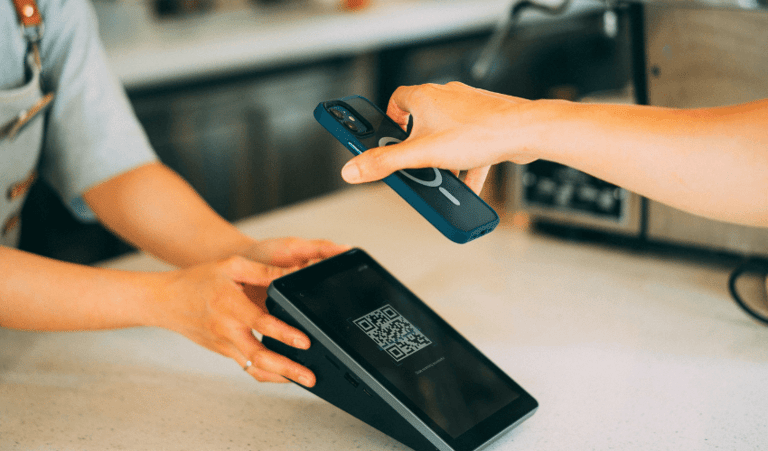
Table of Contents
- Introduction:PDFs for Contactless Ordering
- The Convenience of PDFs for Contactless Ordering
- Enhancing Menu Flexibility and Real-Time Updates
- Streamlining Order Management and Efficiency
- Eco-Friendly and Cost-Effective Solution
- Addressing Technological Barriers and Inclusivity
- Conclusion
Introduction:PDFs for Contactless Ordering
In the wake of the COVID-19 pandemic, the restaurant and cafe industry underwent a transformative shift in their operations. One significant change that emerged was the rise of digital menus, specifically in the form of PDFs, for contactless ordering. As hygiene and safety concerns became paramount, traditional printed menus were seen as potential sources of transmission. Consequently, restaurants and cafes swiftly adopted digital menus, leveraging technology to enhance the customer experience while adhering to safety protocols. This article explores the increasing adoption of digital menus and their impact on the hospitality industry.
The Convenience of PDFs for Contactless Ordering
- PDF menus opened from a QR code have become a fixture in the hospitality industry. Hygiene was what first put them on the table, and convenience is what kept them there: the menu sits on the guest’s own phone, with nothing to hand around.
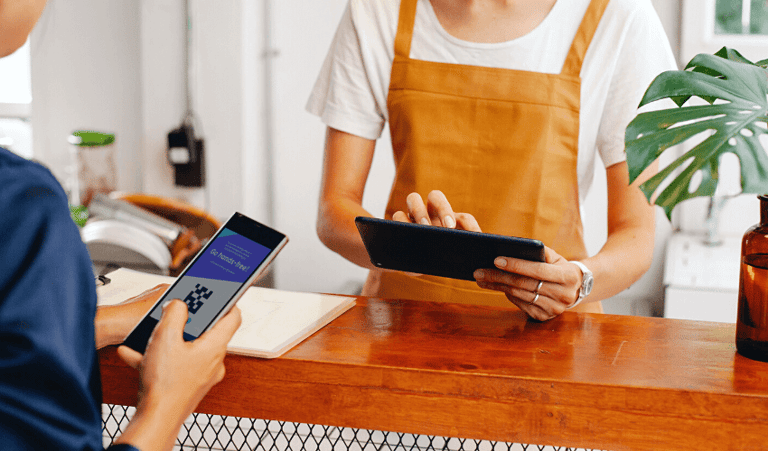
- With the prevalence of smartphones, all that is needed is a quick scan of a QR code, and the entire menu opens up on the patron’s device. This simple action eliminates the need for physical menus, reducing the risk of potential transmission of germs or viruses.
- The ease of access also allows customers to browse through the menu at their own pace, without feeling rushed by waitstaff or crowded environments. As a result, diners can make more informed choices by viewing dish images and accessing detailed information like ingredient lists and nutritional facts, empowering them to tailor their selections according to dietary preferences or allergies.
- A PDF menu covers the reading part of a meal, not the ordering part. The guest browses the dishes on their phone and then orders from a server, or through a separate online-ordering system that the QR code can point to alongside the PDF. Nothing tapped inside the PDF itself reaches the kitchen.
- QR-code menus spread during the COVID-19 pandemic, and they stayed afterwards for a plainer reason than hygiene: they are cheap to keep current. A new price or a seasonal dish means exporting one file again instead of reprinting a stack of menus, which is why many restaurants kept the scannable menu once the health emergency was over.
Enhancing Menu Flexibility and Real-Time Updates
In the fast-paced world of the restaurant industry, staying ahead of the competition and meeting customer demands is crucial. One way that restaurant owners are achieving this is through the adoption of Digital menus, which offer unparalleled flexibility and real-time updates. Unlike traditional printed menus that are static and require costly reprints for any changes, digital menus have revolutionized the way restaurants present their offerings and interact with their patrons.
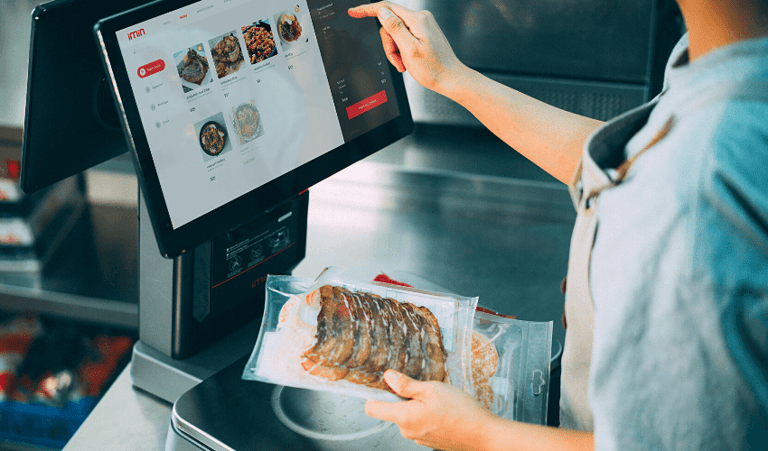
With digital menus, restaurants can keep prices and dishes current without waiting on a print run. Whether it’s introducing exciting seasonal delicacies, accommodating dietary preferences, or responding to ingredient availability, an update means editing the menu, exporting a new PDF, and replacing the file the QR code points to. That takes minutes rather than days, which lets restaurants stay in tune with the ever-changing tastes and preferences of their customers.
- One of the most significant advantages of digital menus is the ability to respond promptly to supply chain fluctuations. In the past, unforeseen challenges in sourcing ingredients or changes in prices could wreak havoc on a restaurant’s profitability. However, with a quick re-export, restaurants can swiftly adjust prices and menu items, minimizing the impact of ingredient price swings on their bottom line. This proactive approach not only fosters trust with customers but also showcases the restaurant’s commitment to providing the best dining experience possible.
- Moreover, digital menus are a powerful tool to enhance customer engagement and loyalty. With eye-catching visuals, restaurants can create a more immersive dining experience. Customers can explore the menu, view enticing food images, and even read stories about the dishes’ origins, all of which contribute to a heightened sense of anticipation and excitement. A PDF menu is quick to re-export and republish, but it is a snapshot: anything live, such as ratings or stock status, needs a web menu instead.
- Digital menus also support sustainability efforts, as they significantly reduce paper waste. With traditional printed menus, restaurants would often need to discard outdated versions, resulting in a considerable environmental impact. By going digital, restaurants can make a positive contribution to the environment while showcasing their commitment to eco-friendly practices to their socially-conscious customers.
Implementing digital menus may seem daunting at first, but the benefits far outweigh any initial challenges. There is a wide range of user-friendly platforms and applications available that cater to the unique needs of restaurants, making the transition smooth and hassle-free. Furthermore, with the increasing adoption of smartphones and mobile technology, customers are more accustomed to digital interactions, making the transition to digital menus seamless and well-received.
Streamlining Order Management and Efficiency
In the age of technology, the restaurant industry has embraced digital transformation to enhance efficiency and streamline operations. The integration of digital menus with restaurant management systems has emerged as a powerful tool to optimize order management and revolutionize the dining experience for both customers and establishments alike.
- A PDF menu is something guests read, not something they order through. A PDF is a fixed-layout document with no line to your kitchen or your till, so tapping a dish inside it sends nothing anywhere. Ordering still happens with a server, or through a separate online-ordering system that the same QR code can link to alongside the PDF. The advantages below belong to that ordering system rather than to the menu file.
- Where guests enter their own choices in an ordering system, nobody writes the order down and retypes it into the kitchen system. Miscommunication between the serving staff and the kitchen can lead to incorrect orders and dissatisfied customers, and taking a transcription step out of the chain removes one place where that creeps in.
- An ordering system can also cut waiting times. Orders reach the kitchen as soon as the guest confirms them, so chefs can start preparing them without waiting for a server’s round trip. That translates into quicker service and shorter waits, and the ability to turn tables faster enables restaurants to accommodate more guests during peak hours.
- Order data comes from that system too, and it is worth having. A PDF records nothing about who opened it or what they read, but an ordering system logs what was ordered and when. Restaurants can analyze that to identify popular dishes and peak ordering times, then design personalized promotions, loyalty programs, and special offers around what people actually order.
- The same data helps on the operational side. Inventory management becomes more efficient when order data helps track ingredient usage, anticipate demand, and plan for restocking, which means reduced food waste and better cost control. A menu PDF contributes nothing here, since on its own it generates no order data at all.
Implementing digital menus and integrating them with restaurant management systems may require an initial investment, but the long-term benefits far outweigh the costs. From increased efficiency and customer satisfaction to data-driven insights for targeted marketing, digital menus have become a vital tool in modernizing the restaurant industry.
Eco-Friendly and Cost-Effective Solution
By transitioning to digital menus, restaurants and cafes can drastically reduce their reliance on paper and its detrimental impact on the environment. Digital menus take reprints out of the update cycle, since a change means editing the menu and exporting a new PDF rather than sending a fresh batch to the printer. Whether it’s introducing new dishes, altering prices, or modifying offerings to cater to customer preferences, digital menus offer that flexibility with far less waste.
- The eco-friendly benefits of digital menus extend beyond paper reduction. Printing fewer menus also means fewer objects passing from hand to hand around a table, which was the argument that first put QR codes in restaurants, even if it is no longer the main reason they are still there.
- In addition to promoting sustainability, digital menus present a cost-effective solution for restaurant owners. Printing costs drop sharply, since only a small stock of printed menus is needed for guests who ask for one. The savings from printing costs can be redirected to other crucial areas of the business, such as sourcing higher quality ingredients, investing in staff training and development, or upgrading kitchen equipment.
- Moreover, digital menus offer the potential for additional cost savings through reduced labor and operational expenses. The integration of digital menus with restaurant management systems streamlines order processing, minimizing the need for manual data entry and reducing the risk of errors. This efficiency translates into optimized staff productivity, lower labor costs, and a smoother overall operation.
Addressing Technological Barriers and Inclusivity
The widespread integration of digital menus within the restaurant industry has undoubtedly changed the dining experience, putting the menu on the guest’s own phone and reducing waste. However, as we embrace this technological shift, it becomes imperative to recognize and mitigate potential barriers that may arise. Not every diner possesses an innate comfort with QR codes and digital interfaces, which underscores the importance of inclusivity. In a world marked by technological disparities, it is the responsibility of restaurants to devise innovative solutions that cater to a diverse range of patrons. One such approach involves maintaining a delicate balance between the contemporary and the conventional – offering printed menus upon request can be a simple yet effective means of accommodating those who prefer a tangible experience. Moreover, recognizing the value of human interaction, establishments can extend their support by appointing staff members to guide customers through the digital menu landscape, ensuring that no one feels excluded due to technological unfamiliarity.
Inclusivity, however, extends beyond addressing mere technical challenges; it embodies a commitment to accessibility for all. Restaurants must strive to create an environment where every individual, regardless of their physical or cognitive abilities, can fully participate in and enjoy the culinary offerings. A menu file has its own barriers: low vision and colour-vision deficiency, type so small that guests pinch-zoom their way through every dish, and layouts so dense that they are hard to follow. Most QR-code menus make this worse by being exported as a flat image, which a guest’s own screen reader cannot read at all. Export the menu as tagged, selectable text rather than a picture, set generous type sizes and sufficient colour contrast, and give every image an alternative text description; WCAG and PDF/UA (ISO 14289) are the references to check the result against. Even then a PDF will not serve every guest, so keep printed menus on hand and let staff take the order for anyone who cannot use the digital route.

Conclusion
The rise of digital menus in the form of PDFs has revolutionized the way restaurants and cafes operate, especially in the context of contactless ordering. The convenience, flexibility, and efficiency offered by this technology have become key drivers of its adoption. Additionally, the cost savings and environmental benefits associated with going digital have cemented its position as an essential aspect of modern hospitality practices.
QR-code menus have settled into a supporting role: many restaurants now offer both a printed menu and a scannable one. Used that way, the PDF keeps prices and dishes current at short notice while the printed copy covers the guests who prefer one. However, it is essential to balance this digital transition with an inclusive approach, ensuring that all customers can enjoy the benefits of contactless ordering, regardless of their technological proficiency or accessibility needs.
In conclusion, the integration of PDF-based digital menus marks a fundamental shift in the hospitality landscape, emphasizing the importance of innovation, adaptability, and customer care in the face of challenges. By embracing this technology, restaurants and cafes are not only future-proofing their businesses but also redefining the art of dining in a dynamic and ever-evolving world.
If you want to learn about using PDFs in healthcare for EMRs and other medical applications, you can read about it in our previous blog article.