


The Rise of Paperless Classrooms: Tools, Benefits, and Challenges

Explore how paperless classrooms are transforming education through digital tools, improved collaboration, and smarter workflows, while addressing key challenges like accessibility, technology gaps, and data management.
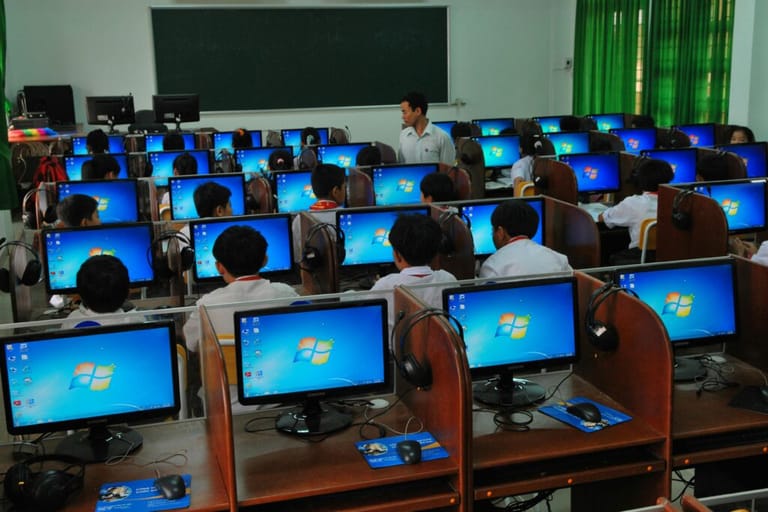
Table of Contents
- Introduction
- What Is a Paperless Classroom?
- The Tools Powering Paperless Education
- The Benefits of Paperless Classrooms
- The Challenges of Going Paperless
- The Future of Paperless Education
- Conclusion
Introduction
The modern classroom is undergoing a quiet but powerful transformation. Paper handouts, printed textbooks, and physical assignments are gradually being replaced by digital documents, cloud platforms, and collaborative tools. This shift toward paperless education is not just a technological upgrade, it represents a fundamental change in how students learn, how teachers teach, and how institutions manage knowledge.
Driven by advances in digital tools and the global acceleration of online learning, paperless classrooms are becoming the new standard. Students now read, annotate, and submit work entirely on screens, while educators design interactive materials that go far beyond static printed pages. Digital environments let students access resources instantly, collaborate more easily, and engage with multimedia content in ways that printed handouts cannot support.
Yet, this transformation is not without its complexities. While the benefits are compelling, the challenges (technical, social, and pedagogical) require careful attention. Understanding both sides is essential for educators, institutions, and digital platforms shaping the future of education.
What Is a Paperless Classroom?
A paperless classroom is an educational environment where learning materials, communication, and assessments are conducted primarily through digital means rather than physical paper. Instead of printed textbooks and worksheets, students use devices such as laptops, tablets, or smartphones to access content.
In such environments:
- Lecture notes are shared as PDFs or digital documents
- Assignments are submitted online
- Feedback is provided through annotations and comments
- Communication happens via platforms, email, or collaborative tools
This shift has been accelerated by learning management systems (LMS), cloud storage, and document automation technologies. Importantly, the concept goes beyond simply replacing paper, it involves rethinking how information is created, shared, and preserved.

The Tools Powering Paperless Education
The success of paperless classrooms depends heavily on the ecosystem of tools that support them. These tools are not just substitutes for paper, they actively enhance learning experiences.
1. Digital Document Formats (PDFs and Smart Files)
PDFs have become a cornerstone of paperless education. They allow educators to distribute structured, consistent materials while enabling students to annotate, highlight, and organize content digitally.
Unlike traditional documents, modern PDFs can include:
- Interactive elements
- Embedded multimedia
- Hyperlinks to external resources
- Fillable forms for assignments
This evolution connects closely with document design practices. For example, creating structured and functional documents ensures they remain usable across systems and workflows, as explored in this guide: Designing Branded Word Documents That Still Merge Cleanly.
Well-designed documents are critical in education because poorly structured files can disrupt workflows, confuse students, and reduce accessibility.
2. Cloud-Based Collaboration Platforms
Cloud tools enable real-time collaboration between students and teachers. Instead of working in isolation, students can:
- Co-edit documents
- Share feedback instantly
- Access materials from anywhere
Tools like these also make communication and information sharing among students easier.
3. Learning Management Systems (LMS)
Platforms like Moodle, Canvas, or Blackboard organize entire courses digitally. They allow educators to:
- Upload materials
- Track student progress
- Automate grading
- Manage communication
In a paperless classroom, the LMS becomes the central hub of learning.
4. Interactive Technologies
Tools such as digital whiteboards, quizzes, and response systems increase engagement. By making lessons more interactive, they can improve participation, attention, and learning outcomes.
5. Data and Document Management Systems
As classrooms go paperless, managing data becomes critical. Educational institutions must store, organize, and protect large volumes of digital records.
Understanding how long to keep documents, how to secure them, and when to delete them is essential, especially in education where records can be sensitive. This is where strategies like those discussed in article: Stay in Control of Your Data with Customizable Retention Settings.
The Benefits of Paperless Classrooms
The shift to paperless education offers a wide range of advantages for students, teachers, and institutions.
1. Accessibility and Flexibility
One of the biggest benefits is the ability to access materials anytime, anywhere. Students no longer depend on physical presence or printed resources.
Digital learning environments let students study, communicate, and collaborate beyond traditional classroom boundaries.
This flexibility is especially important for:
- Remote learners
- Working students
- International education
2. Improved Organization and Efficiency
Paperless systems eliminate common issues such as lost assignments or disorganized notes. All materials are stored digitally, making them easy to search, retrieve, and manage.
Educators also benefit by:
- Reducing time spent on printing and distributing materials
- Automating repetitive administrative tasks
- Streamlining grading and feedback
Digital classrooms simplify access to organized course content and reduce reliance on physical materials.
3. Enhanced Collaboration
Digital tools make collaboration seamless. Students can work together in real time, share ideas, and receive immediate feedback.
This level of interaction encourages:
- Peer learning
- Active participation
- Deeper engagement
4. Environmental Sustainability
Reducing paper use has a direct environmental impact. Schools can significantly decrease waste, printing costs, and resource consumption.
Paperless classrooms align with broader sustainability goals, making education more environmentally responsible.
5. Data-Driven Learning
One of the most transformative aspects of paperless classrooms is the ability to track and analyze learning data.
Educators can monitor:
- Student performance
- Engagement levels
- Learning patterns
This enables more personalized and effective teaching strategies.
For institutions running large-scale digital communication or content distribution, measuring success becomes essential. Tools and methods described in our article “Measuring Success: Analytics and Tracking for PDF PR Campaigns”, demonstrate how analytics can provide insight into audience engagement and the effectiveness of initiatives, principles that are equally applicable to educational content.
6. Cost Savings
While initial investments in technology can be high, paperless systems reduce long-term costs by eliminating:
- Printing expenses
- Paper storage
- Physical distribution
The Challenges of Going Paperless
Despite its advantages, transitioning to a paperless classroom is not without obstacles.
1. Digital Divide
Not all students have equal access to devices or reliable internet. This inequality can create gaps in learning opportunities.
A lack of infrastructure and access remains a major barrier to adopting digital education systems.
2. Distractions and Focus Issues
Digital devices can introduce distractions such as social media, notifications, and multitasking.
While laptops support learning activities, they can also reduce focus if not used deliberately.
3. Technical Challenges
Technology is not always reliable. Common issues include:
- Software glitches
- Connectivity problems
- Compatibility issues
These disruptions can interrupt learning and frustrate both students and teachers.
4. Pedagogical Adaptation
Teaching in a paperless environment requires new approaches. Traditional methods may not translate well to digital formats.
Educators must:
- Redesign lessons
- Learn new tools
- Adapt assessment strategies
Integrating technology effectively requires careful design and continuous adjustment.
5. Data Security and Privacy
With large amounts of student data stored digitally, security becomes a major concern.
Institutions must ensure:
- Data protection
- Compliance with regulations
- Secure storage and access
This reinforces the importance of structured data policies, such as those discussed in data retention frameworks.
6. Reduced Physical Interaction
While digital tools enhance communication, they can reduce face-to-face interaction, which is important for social development and collaborative learning.
The Future of Paperless Education
The rise of paperless classrooms is part of a broader shift toward digital transformation in education. As technologies like artificial intelligence, automation, and advanced analytics continue to evolve, classrooms will become even more personalized and adaptive.
Future developments may include:
- AI-driven learning paths
- Fully interactive digital textbooks
- Immersive learning environments
- Seamless integration between tools and platforms
However, the success of this transformation depends on balance. Technology should enhance, not replace, the human elements of education.
Conclusion
Paperless classrooms are no longer an experimental concept, they are steadily defining the direction of modern education. As institutions move away from paper-based systems and embrace digital tools, the learning experience is becoming more dynamic, responsive, and accessible to a broader range of students. This shift is not simply about convenience; it reflects a deeper evolution in how knowledge is delivered, consumed, and retained.
The advantages of this transition are substantial. Digital environments allow for better organization of materials, seamless collaboration between students and educators, reduced environmental impact, and the ability to gather meaningful insights through data. These elements work together to create a more efficient and personalized educational experience. However, progress does not come without responsibility. Issues such as unequal access to technology, technical reliability, and the need for new teaching strategies must be addressed with care to ensure that no learner is left behind.
At its core, the movement toward paperless education is not about removing paper, it is about building smarter systems. Well-structured digital documents, clear data management practices, and thoughtful use of analytics all contribute to a more connected and effective learning ecosystem. When implemented correctly, these elements empower both educators and students to engage more deeply with content and with each other.
This transformation is already well underway, and its momentum continues to grow. Institutions and individuals who adapt early will not only benefit from increased efficiency but will also help shape the future of education itself. In a world where information is constantly evolving, paperless classrooms represent a crucial step toward a more sustainable, intelligent, and inclusive way of learning.