


How Nonprofits Use Mail Merge for Donor Outreach

Discover how nonprofits use mail merge for donor outreach to personalize communications, boost fundraising, and strengthen lasting donor relationships.

Table of Contents
- Introduction: Why Mail Merge Matters for Nonprofits
- Personalization at Scale: Turning Donor Data Into Meaningful Messages
- Thank-You Letters and Donor Stewardship
- Event Invitations and Donor Engagement Campaigns
- Automating Fundraising Appeals
- Digital Transformation: PDFs, AI, and Smarter Donor Outreach
- Data Accuracy and Compliance in Donor Communications
- Getting Started: Practical Steps for Nonprofits Using Mail Merge
- Conclusion: Mail Merge as a Catalyst for Donor Relationships
Introduction: Why Mail Merge Matters for Nonprofits
For nonprofits, cultivating strong relationships with donors is essential. Whether you are running a small community organization or a large international charity, the ability to communicate personally, efficiently, and at scale can determine the success of your fundraising campaigns. This is where mail merge becomes a powerful ally.
Mail merge allows nonprofits to take a single template—like a thank-you letter, fundraising appeal, or event invitation—and automatically customize it with details unique to each donor, such as their name, donation history, or location. With donor outreach being a cornerstone of nonprofit operations, using mail merge can drastically reduce administrative time while maximizing the impact of every message.
In this article, we’ll explore how nonprofits use mail merge for donor outreach, the benefits and strategies behind it, and how modern technologies—including PDFs, AI, and data management tools—are enhancing this essential practice.
Personalization at Scale: Turning Donor Data Into Meaningful Messages
One of the greatest challenges for nonprofits is finding ways to connect with hundreds or thousands of donors while keeping messages authentic and personal. Mail merge solves this by pulling data from spreadsheets or databases and inserting it into templates automatically.
For example:
- A holiday appeal letter can include each donor’s first name.
- An acknowledgment email can mention the specific donation amount given.
- A newsletter can highlight regional events relevant to the donor’s location.
This level of personalization is not just nice—it directly impacts fundraising success. Personalized messages generally outperform generic blasts on opens and clicks, which is why it pays to structure your donor data well.
Nonprofits can also leverage Google Sheets and databases for organizing and merging donor data. Tools that go beyond Excel streamline the process of managing large datasets, ensuring data accuracy and efficiency (learn more here).
Thank-You Letters and Donor Stewardship
Donors don’t just want to be asked for money—they want to feel appreciated and valued. This is where mail merge plays a vital role in donor stewardship.
Nonprofits can use mail merge to:
- Generate personalized thank-you letters after each donation.
- Send year-end summaries that show donors the total impact of their contributions.
- Acknowledge milestones, like the anniversary of their first gift.
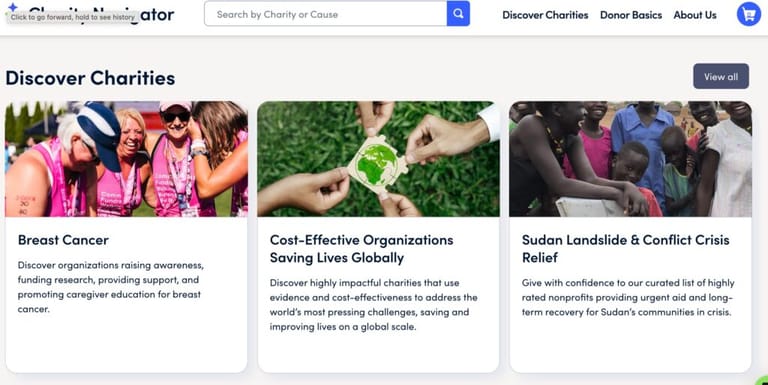
For example, organizations like Charity Navigator stress the importance of transparency and acknowledgment in maintaining donor trust. By automating thank-you communications with mail merge, nonprofits can focus more on relationship-building rather than repetitive manual work.
Event Invitations and Donor Engagement Campaigns
Fundraising galas, community events, and donor briefings are staples of nonprofit engagement. Mail merge helps nonprofits design and distribute event invitations tailored to each donor.
Imagine sending a formal gala invitation:
- The recipient’s name is elegantly inserted.
- Their previous involvement (e.g., “as a Gold Sponsor in 2023”) is acknowledged.
- RSVP links are unique to each donor.
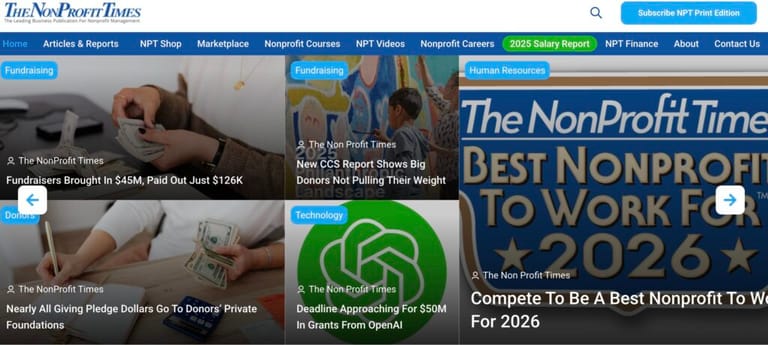
This approach creates a sense of exclusivity and personalization, encouraging higher attendance rates. Organizations like The Nonprofit Times frequently highlight donor engagement strategies where personalized outreach plays a central role.
Mail merge also extends to digital formats. By combining event PDFs with mail merge, nonprofits can send personalized digital tickets or badges. If you’ve ever wondered what happens to these PDFs after you send them, it’s worth exploring the lifecycle of digital files in nonprofit communication (read more here).
Automating Fundraising Appeals
One of the most powerful uses of mail merge for nonprofits is in fundraising campaigns. Instead of manually writing hundreds of letters, nonprofits can prepare one compelling appeal and let the software handle personalization.
Mail merge can insert:
- Donor’s last donation date.
- Specific amounts they’ve contributed in the past.
- Suggested donation levels tailored to their giving history.
For instance, if a donor previously gave $50, the system can suggest “renewing your generous support with a $75 gift this year.” This kind of strategic personalization increases the likelihood of repeat donations.
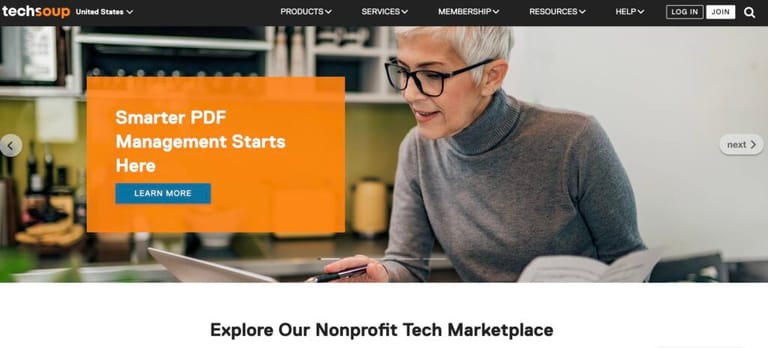
Nonprofits can also use platforms like TechSoup to access affordable software solutions, including mail merge tools, that support fundraising activities.
Digital Transformation: PDFs, AI, and Smarter Donor Outreach
Nonprofits are increasingly moving their communications into digital spaces. PDFs remain a popular format for sending letters, certificates, and donor reports because of their universality and professionalism. Combined with mail merge, nonprofits can generate personalized PDF letters ready to email directly.
But the future is moving toward even smarter tools. Artificial intelligence (AI) is beginning to reshape how organizations manage outreach. Imagine AI-enhanced PDFs that track engagement or include interactive donor experiences. This isn’t far-fetched—it’s already happening in the broader digital landscape (discover more here).
By blending AI with traditional mail merge, nonprofits can create communication that feels human, while benefiting from automation and analytics. This balance is key to scaling donor outreach without losing authenticity.
Data Accuracy and Compliance in Donor Communications
Nonprofits hold sensitive donor data—names, addresses, emails, donation amounts—which means accuracy and privacy are non-negotiable. Mail merge tools must be paired with secure data practices to protect donor information.
Best practices include:
- Regularly cleaning and updating donor databases.
- Encrypting sensitive data when sending digital communications.
- Complying with regulations such as GDPR or CCPA.
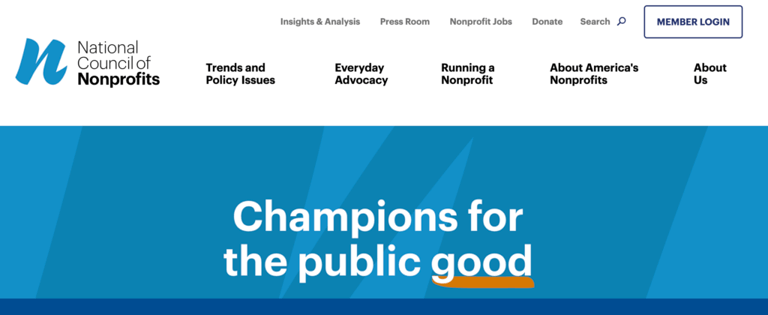
Organizations like National Council of Nonprofits emphasize the importance of trust, transparency, and compliance in donor management. Using mail merge responsibly ensures donors not only feel valued but also safe sharing their information with your organization.
Getting Started: Practical Steps for Nonprofits Using Mail Merge
If your nonprofit hasn’t implemented mail merge yet, here are simple steps to get started:
- Choose your tool – Decide whether you’ll use Microsoft Word, a Google Docs add-on or Apps Script (Docs has no built-in mail merge), a dedicated mail merge tool such as MailMergic, or a donor management system.
- Organize donor data – Use spreadsheets or databases to structure information (names, emails, donation history, addresses).
- Create your templates – Design thank-you letters, fundraising appeals, or invitations with placeholders for donor data.
- Run test merges – Always preview your letters or emails before sending to ensure accuracy.
- Measure results – Track open rates, response rates, and donations to refine your strategy.
For nonprofits looking to learn more about mail merge, Mailmergic offers detailed guides, tools, and insights that make the process simpler and more efficient.
Conclusion: Mail Merge as a Catalyst for Donor Relationships
Mail merge is far more than a time-saving trick—it is a strategic tool that empowers nonprofits to foster authentic relationships with their donors at scale. From personalized thank-you letters to targeted fundraising appeals and interactive digital experiences, nonprofits can leverage mail merge to strengthen trust, increase engagement, and ultimately raise more funds for their mission.
As digital tools continue to evolve, the synergy between automation, personalization, and donor stewardship will only grow stronger. Nonprofits that embrace mail merge today are laying the foundation for more meaningful, data-driven, and impactful donor outreach in the years to come.